Ping Messenger
Private messaging, voice and video calls and community spaces, with native apps and a dedicated service platform.
The context.
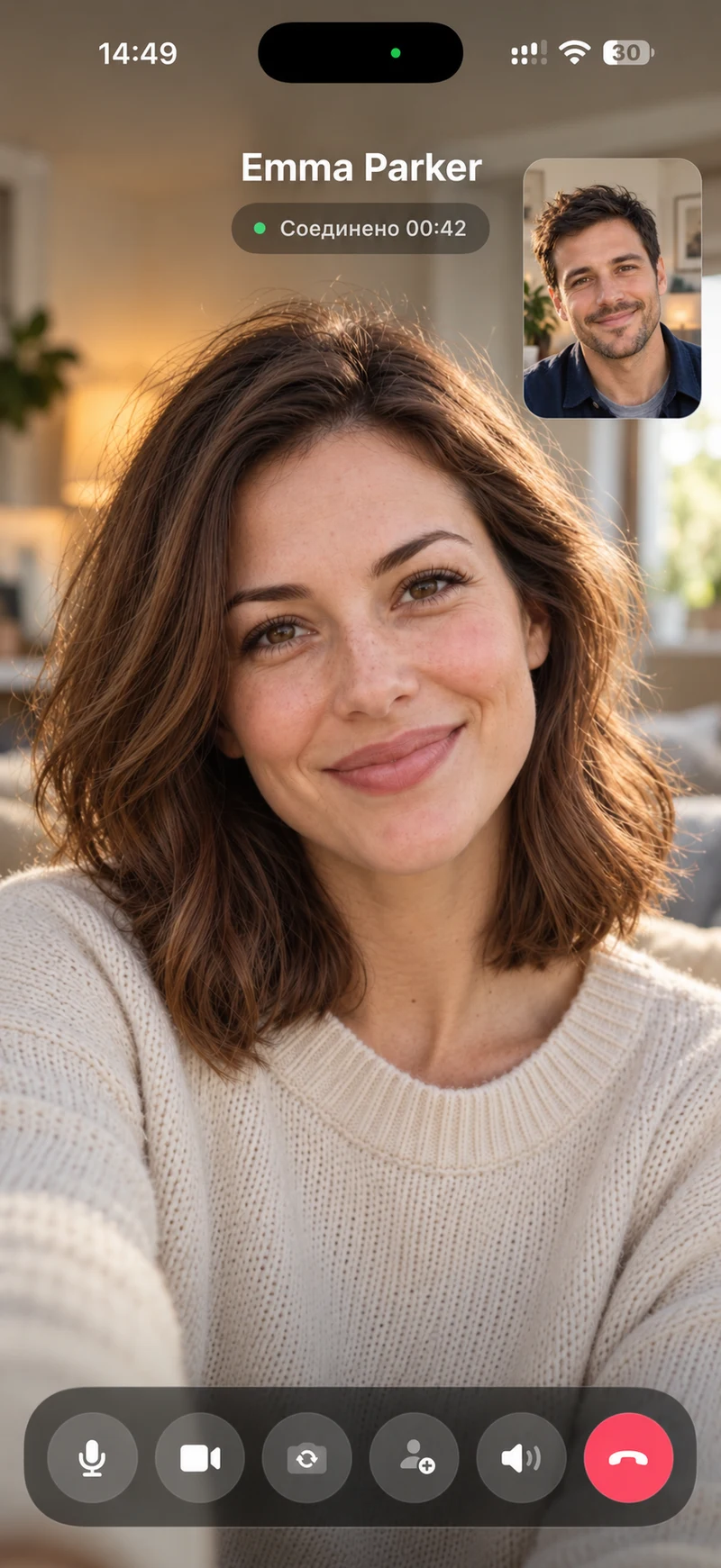
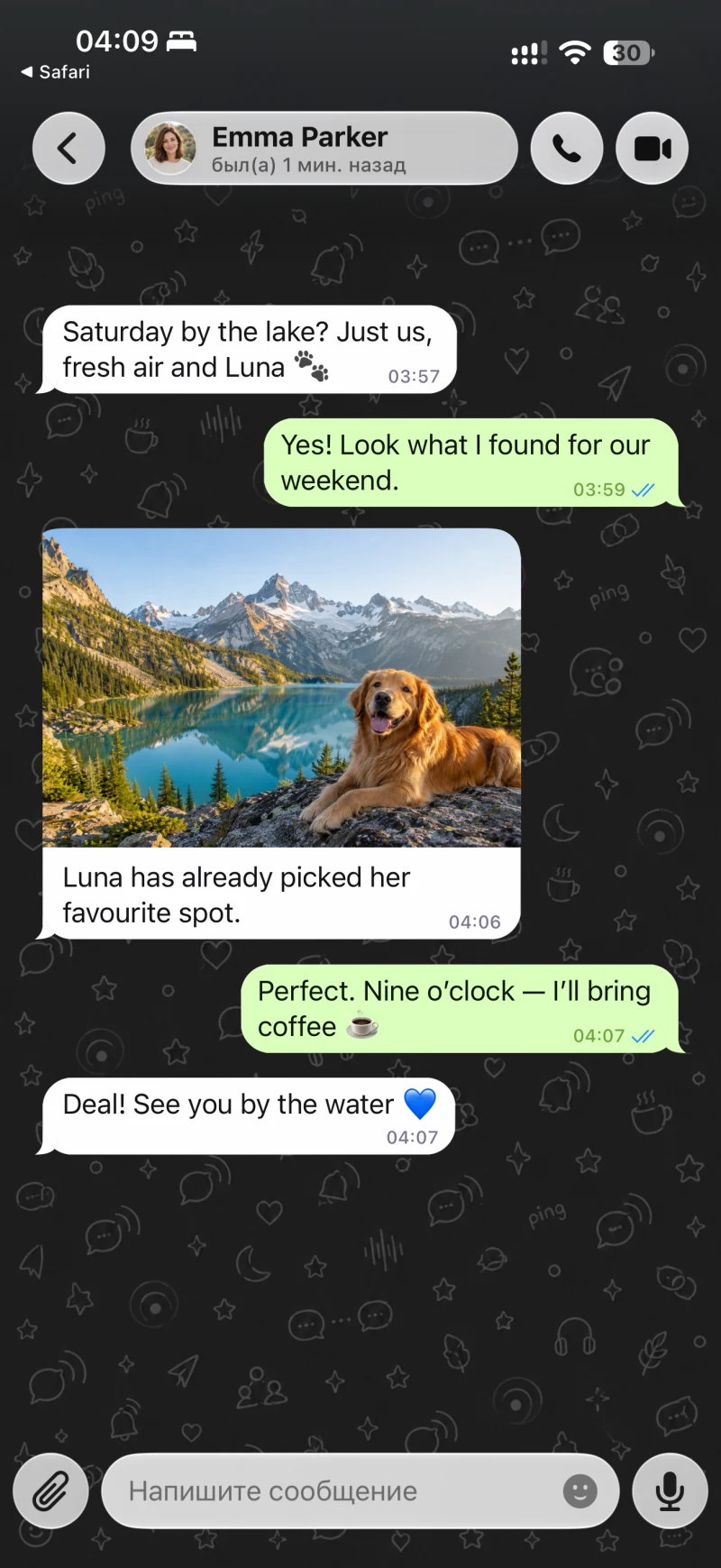
Ping is my messaging product, bringing together personal conversations, voice and video calls, voice notes, photos and files, plus spaces, groups and channels. My work covers the app experience, communication and data services, deployment and the public website. I develop and maintain the project with AI tools and validate changes in code and on devices.
My part
in the project.
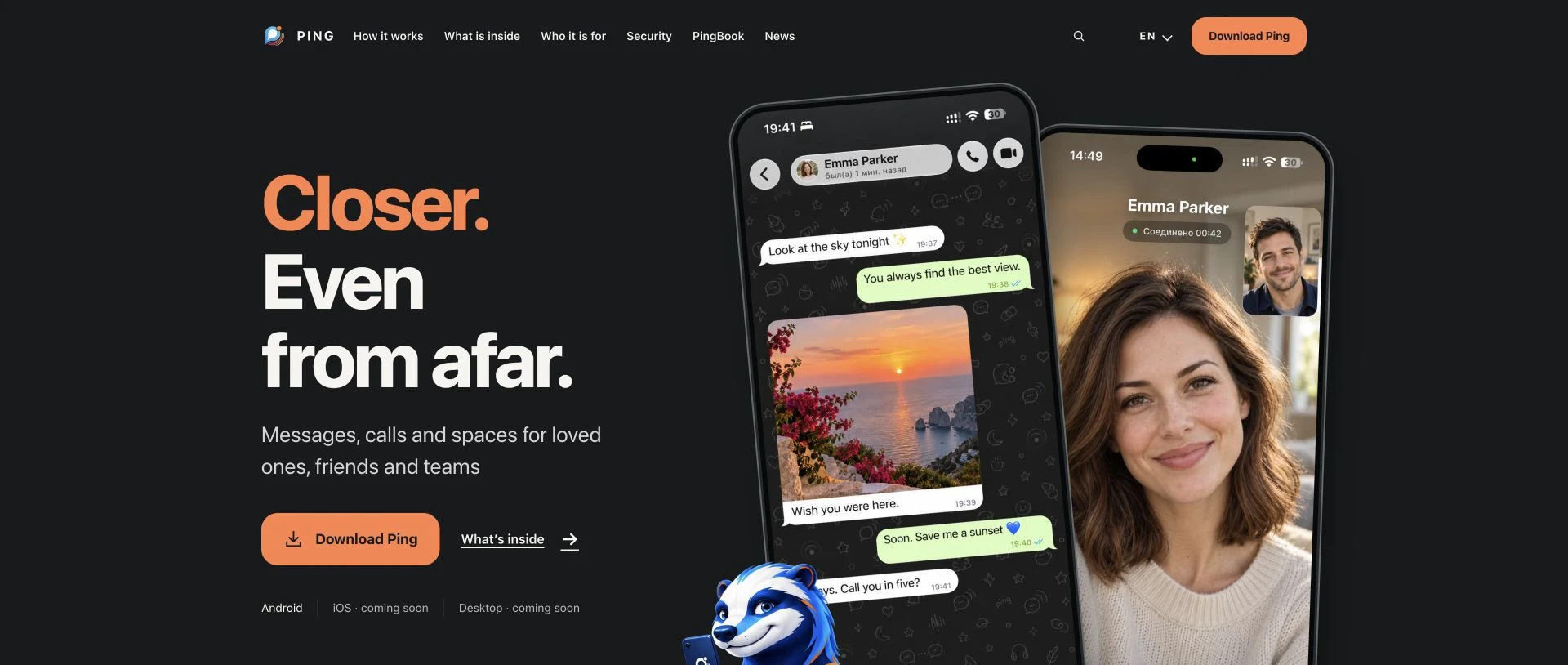
Apps and conversation experience: native Android in Kotlin, iPhone in Swift and ongoing C++ desktop development. Messages, voice notes, photos, videos and documents share one experience.
Voice and video calls with WebRTC: call UI, camera and microphone, audio routing, signalling and recovery when connectivity changes.
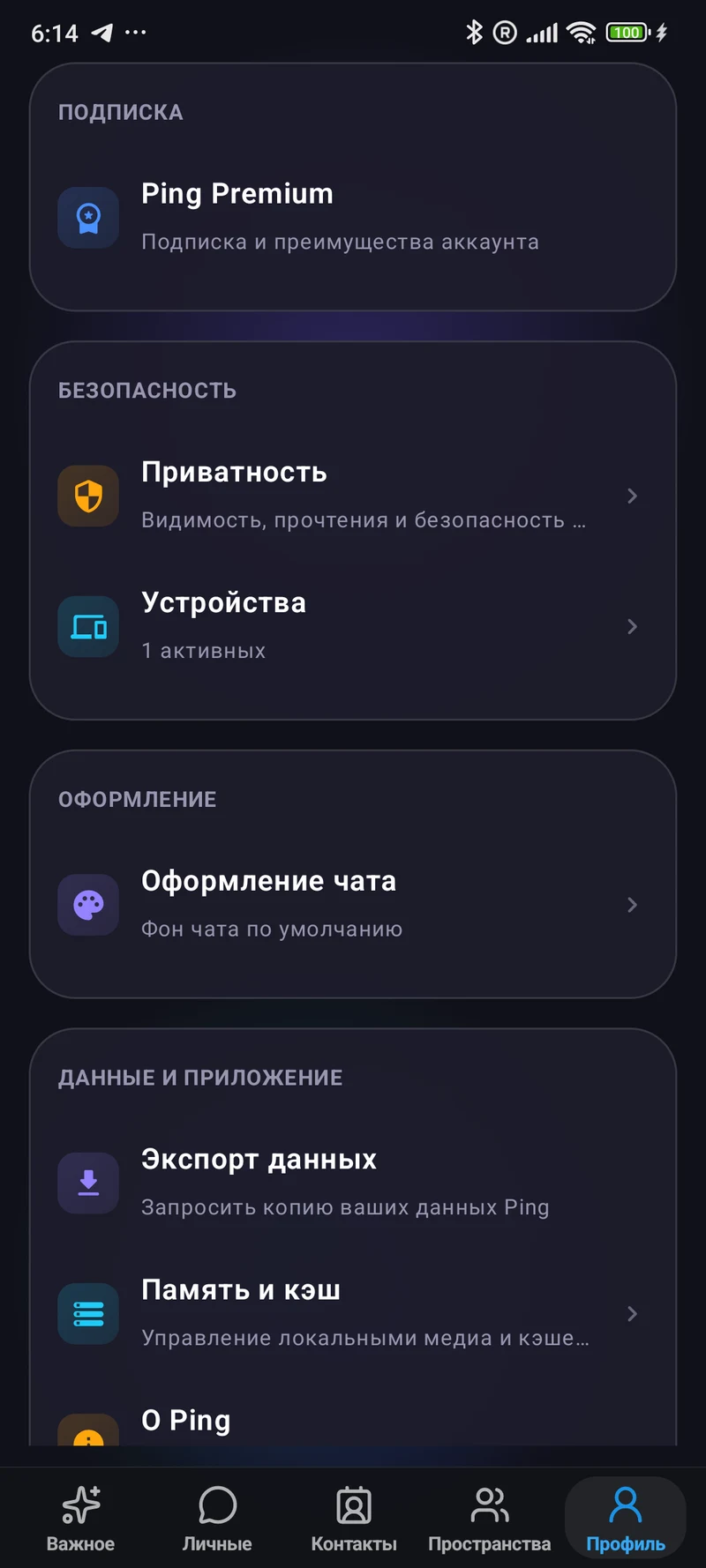
Privacy and sessions: integrating end-to-end encryption for personal chat text, connected-device management and controls for profile and phone-number visibility.
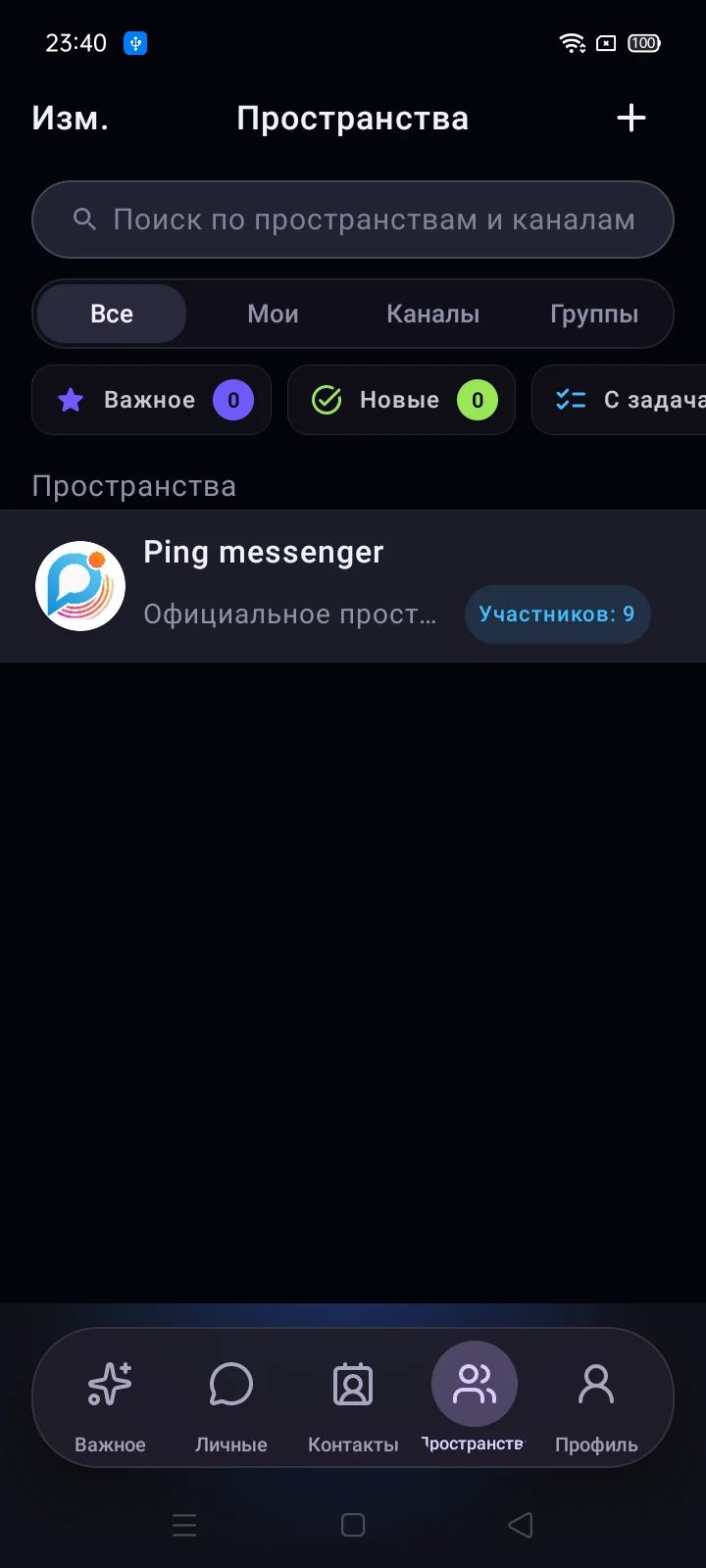
Spaces, groups and channels to organise communities and separate personal conversations from shared communication.
A Go backend organised into microservices, real-time communication, event processing and persistence. Kubernetes configuration, GitLab CI/CD pipelines and Argo CD deployments.
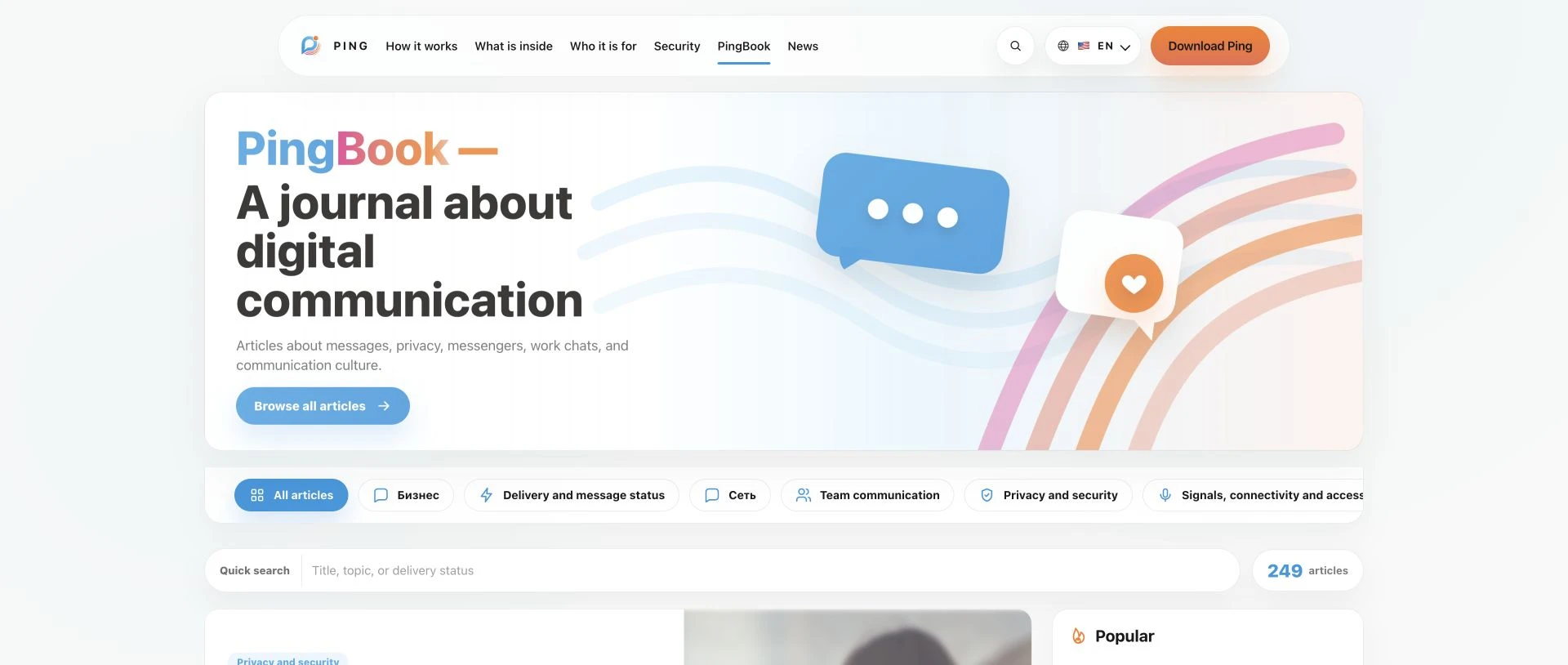
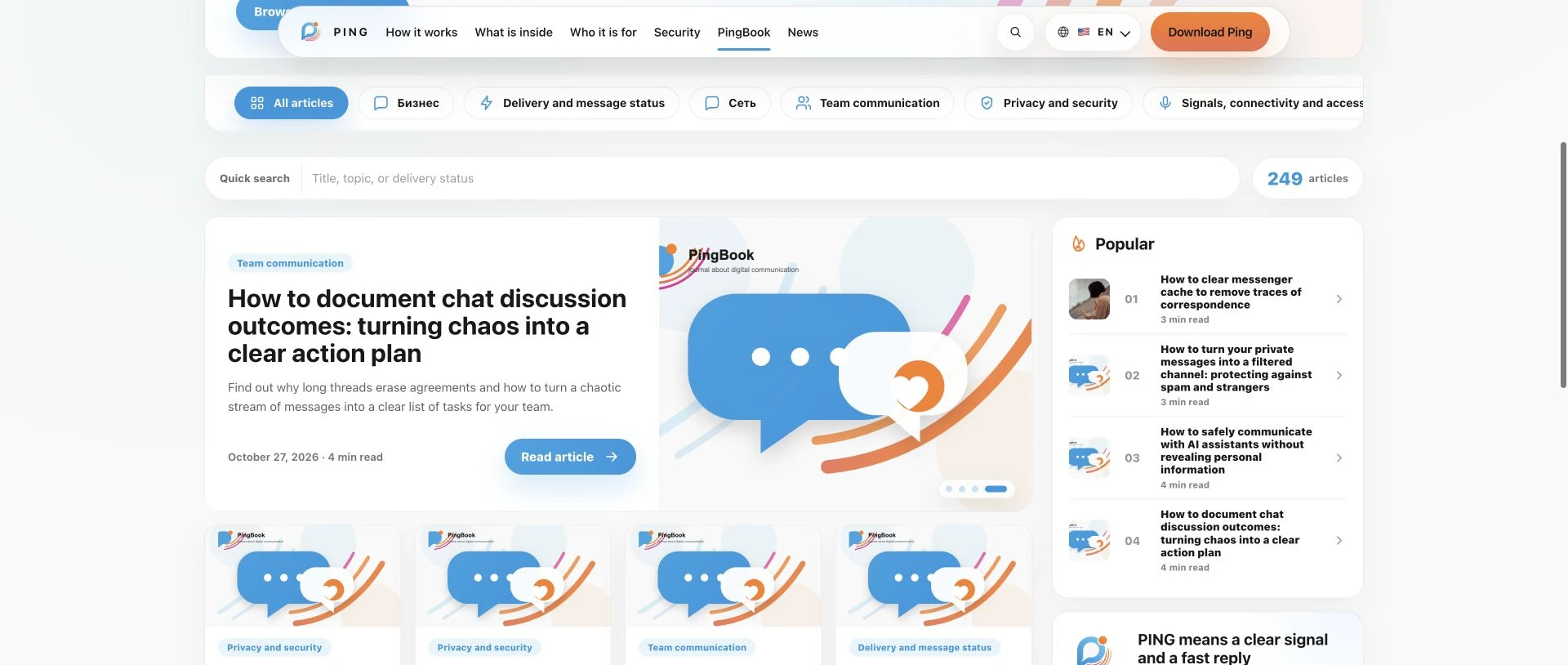
The multilingual my-ping.app website and PingBook: an editorial catalogue, search, navigation and an OpenAI API integration for preparing content.
Inside the product.
Open a screenshot to take a closer look.
Behind
the product.
End-to-end encryption (E2EE). Personal chat text is encrypted on the sending device and decrypted on the participants’ devices. This statement does not extend to calls, files, groups, channels or spaces.
Real-time communication. WebSocket connects clients to messaging services; WebRTC handles audio and video, with signalling and connectivity negotiation separate from message delivery.
Distributed architecture. Go microservices separate messaging, presence, notification and file responsibilities. Kafka/Redpanda participates in event processing; ScyllaDB and Redis provide persistence and operational state according to each service’s needs.
Delivery lifecycle. Image builds and checks run in GitLab CI/CD; Kubernetes and Argo CD manage service releases. The work includes observability, diagnosis and cross-client compatibility testing.
Native clients. Kotlin, Swift and C++ allow navigation, camera and microphone permissions, system integration and media behaviour to fit each platform.
This case presents product-level capabilities and technologies. Internal routes, network configuration, keys and private operational details are not disclosed.
The Android app is available on Google Play. Work continues on versions for iPhone, macOS and Windows, alongside maintenance of the backend and website.
Your next project
starts with a
conversation.
An idea, a tool for your team or a product that needs to move forward. Tell me what you have in mind.
Also available for employment opportunities. View my LinkedIn profile